
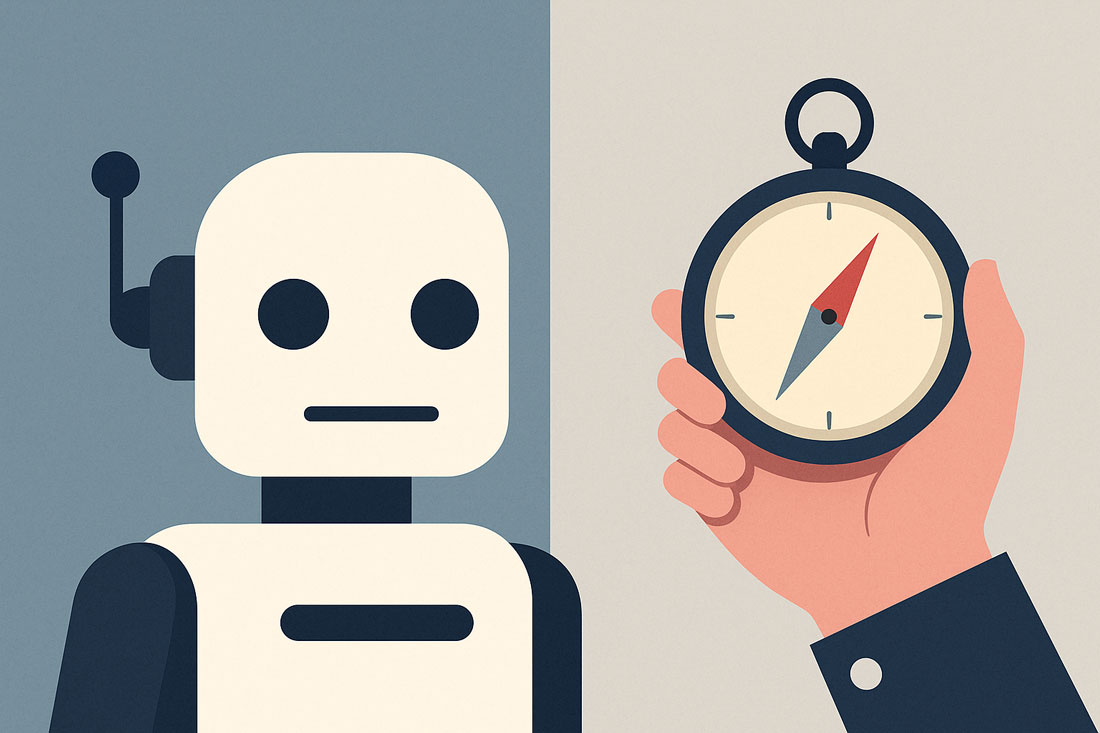
Artificial intelligence has become the beating heart of modern technology. From recommendation engines to fraud detection and medical diagnostics, AI now influences how we live, learn, and decide. Yet as its power grows, so does its potential for harm. The problem isn’t that AI itself is malicious — it’s that, too often, it’s careless. And that carelessness doesn’t come from the machines; it comes from us, the developers, data scientists, and product teams behind them.
When algorithms are trained on biased data, when systems are deployed without transparency, or when products are built to maximise engagement at any cost, the outcomes can quietly amplify inequality, misinformation, or exploitation. None of these results require bad intent — only inattention. In the world of AI, a lack of ethical foresight can cause just as much damage as deliberate wrongdoing. Developers hold enormous influence over how automated systems behave, yet the ethical frameworks guiding those decisions often lag far behind the technology itself.
Ethical AI development begins with humility. It means recognising that every dataset carries history — histories of exclusion, prejudice, and human context that numbers alone can’t erase. It also means designing with explainability in mind: ensuring that both users and developers can understand why an algorithm makes a decision, not just what decision it made. Responsible AI is transparent, accountable, and always open to scrutiny.
It’s easy to view ethics as a barrier to innovation, but in reality, it’s a safeguard for creativity. Ethical boundaries don’t slow down progress; they prevent us from repeating the same mistakes at a faster pace. A team that considers fairness, privacy, and long-term consequences from the start ultimately builds stronger, more trustworthy systems. Users are more likely to adopt technologies they understand and believe in — and trust has always been the real currency of digital success.
The Certified Ethical Developer (CED) programme encourages developers to see themselves not just as coders of logic, but as stewards of impact. By learning to apply ethical principles to AI and algorithmic design, developers can ensure that innovation serves humanity rather than exploits it. AI doesn’t need to be feared — it needs to be guided. And that guidance begins with developers who choose to lead with conscience as well as code.