
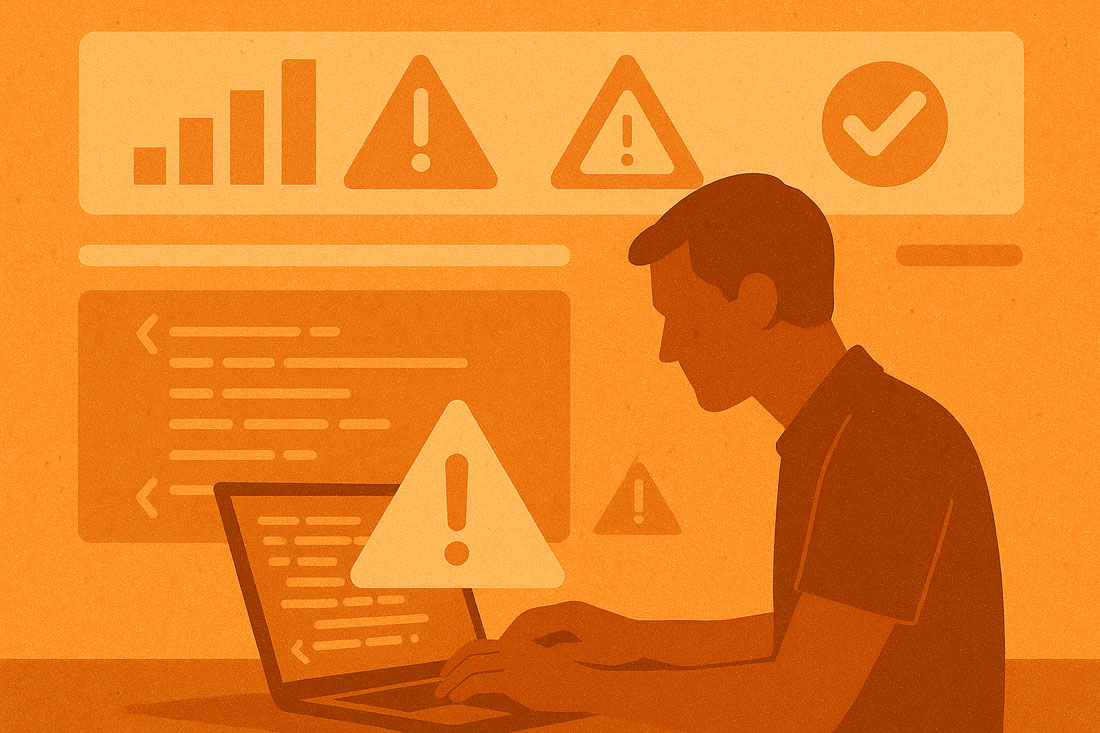
In the world of software development, speed is often celebrated. Teams are pushed to release faster, innovate constantly, and keep pace with competitors. Agile sprints, rapid prototyping, and continuous deployment have become the rhythm of modern development. But in this race to deliver, something vital is often left behind — reflection. The moments when we pause to ask “Should we?” instead of just “Can we?” are the first casualties of haste. And when ethical reflection disappears, the hidden costs begin to rise.
On the surface, cutting corners can seem harmless. A quick fix here, a skipped test there — all in the name of efficiency. But beneath those shortcuts lie risks that compound quietly over time. Poorly secured code can lead to data breaches. Minimal accessibility testing can exclude entire groups of users. Rushed features can exploit user attention or misrepresent how data is used. Each compromise might save a few hours today but can damage trust, reputation, and even lives tomorrow.
Consider some of the industry’s most public failures — from apps that leaked private data to algorithms that discriminated unfairly. Very few of these began with malicious intent. Most were the result of neglect, oversight, or misplaced priorities. Ethical harm often grows in the space between “that’ll do for now” and “we’ll fix it later.” But “later” rarely comes, especially when teams move on to the next sprint. The real cost isn’t just financial; it’s the erosion of user trust and professional integrity.
Ethical development doesn’t mean moving slowly — it means moving thoughtfully. Building responsibly from the start actually reduces long-term friction, because it prevents the cascading problems that arise when ethics are an afterthought. A secure, transparent, well-documented product requires less patching, fewer public apologies, and more loyalty from users. Ethical choices create resilience.
At Ethical Certifications, we believe developers shouldn’t have to choose between speed and integrity. The Certified Ethical Developer (CED) programme teaches professionals how to build ethically within modern workflows — balancing innovation with accountability. Because when we take the time to do things right, we don’t just make better software — we make better systems, stronger teams, and a digital world that deserves people’s trust.