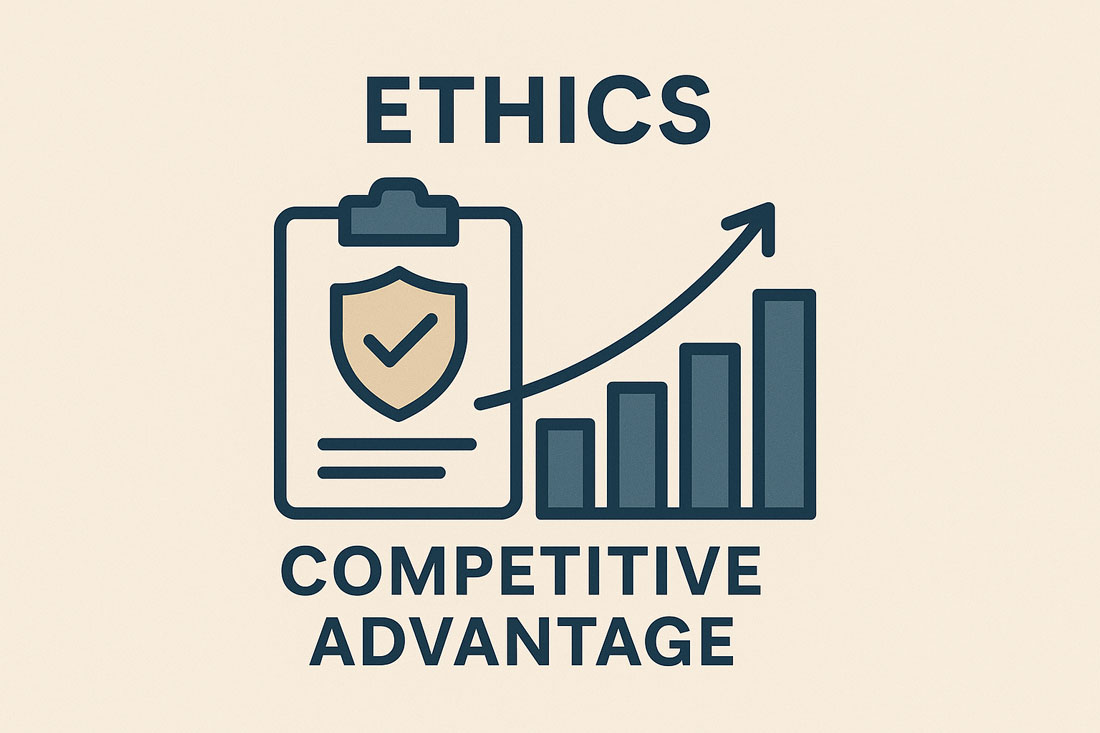
In the past, ethics in technology was seen as an optional extra — something handled by compliance teams or public relations, rather than core business strategy. But that mindset is changing fast. Around the world, companies are beginning to realise that ethics isn’t just about avoiding harm or bad headlines; it’s about building trust, attracting talent, and creating technology that lasts. In today’s digital economy, integrity has become a genuine competitive advantage.
Consumers are more informed than ever. They want to know that the apps they use, the platforms they support, and the services they rely on are built by companies that value transparency, privacy, and inclusion. A single ethical misstep — a data leak, an exploitative feature, or a biased algorithm — can destroy a brand’s reputation overnight. The companies thriving in this new landscape aren’t the ones who merely react to regulation; they are the ones who lead with responsibility, making ethics part of their identity rather than a defensive measure.
The benefits of responsible technology go deeper than public image. Ethical practices create stronger internal cultures. Teams that are encouraged to raise concerns, question design decisions, and prioritise fairness are more innovative and resilient. When developers and product managers feel empowered to say, “This isn’t right,” they prevent future crises before they begin. An ethical culture reduces burnout, improves retention, and fosters genuine pride in the work being done.
Forward-thinking organisations are now investing in structured frameworks to uphold these standards — not as a box-ticking exercise, but as a long-term strategy for sustainable growth. This is where initiatives like the Certified Ethical Developer (CED) programme and the CED Company Checkmark come in. They give both individuals and organisations a way to demonstrate that their commitment to ethics isn’t just talk. It’s a mark of professional excellence that communicates to clients, investors, and users: we build technology you can trust.
In the end, ethics is not a cost — it’s a differentiator. Companies that prioritise responsibility are building the kind of trust and loyalty that no marketing campaign can buy. As technology continues to shape society, the organisations that succeed will be those who prove that innovation and integrity belong together. Ethical technology isn’t just good for the world — it’s good for business.